Project Objective: Recognizing and Reducing Unpaid Care Work -This joint
initiative aims to recognize, respond, redistribute, and ultimately reduce the burden of unpaid
care work in Sri Lanka, focusing particularly on its disproportionate impact on women and
girls.Our organization, the Nation Forum of Women with Disabilities (NFWD), is undertaking
this project with the valuable contribution and guidance of the Women and Media Collective
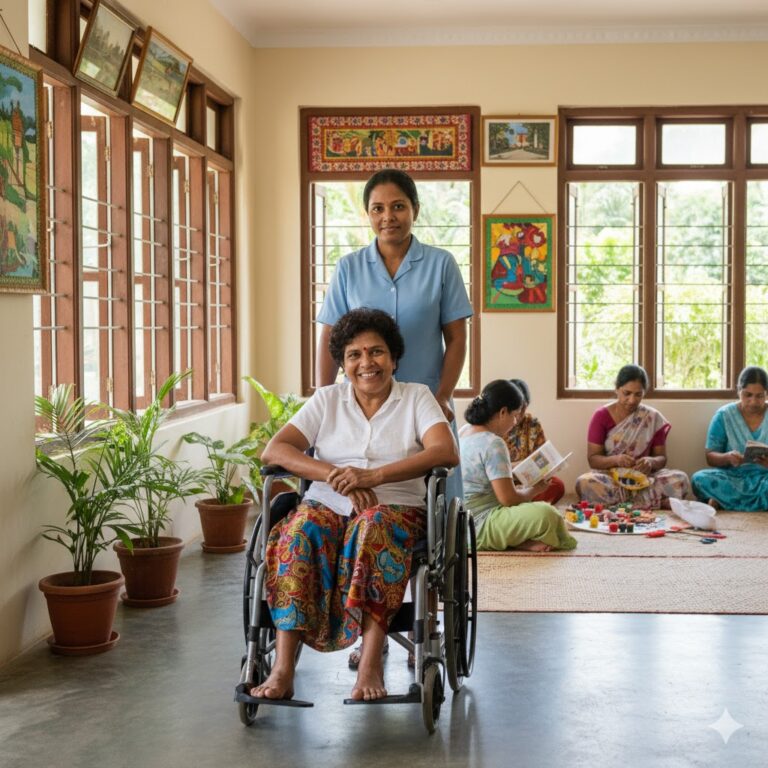
(WMC).A key area of focus is the extensive and often invisible care provided by mothers of
children with disabilities. Their dedicated, round-the-clock service is rarely acknowledged or
compensated by families or the community. Furthermore, women and girls, especially those with
disabilities, are often limited to household and caregiving roles, restricting their opportunities for
education, employment, and public life.Through this project, we are advocating for the
acknowledgment and structural changes necessary to ensure their time and labor are valued,
freeing them to pursue their full potential.
Project Activities:
Activty 1 – Time Use Survey
The primary activity was a Time Use Survey, strategically conducted to gather quantitative data
on the allocation of time spent on caregiving and household tasks. This survey aimed to highlight
the unequal distribution of unpaid care work and provide actionable insights to address gender
imbalances. For the survey, 36 households were randomly selected from the 545 Pirivena Grama
Niladhari division. Data collection employed a mixed methodology, including the use of
structured questionnaires and time-use diaries, to ensure comprehensive and detailed information
was captured about unpaid care work within the selected households.
Activity 2 – Listing survey
As part of the project activities aimed at assessing the burden of unpaid care work, we conducted
a targeted Care Center Assessment Survey in the Pirivena Grama Niladhari division. Following
the guidelines provided by the Women and Media Collective (WMC), we first listed all existing
care centers in the area. We then visited relevant households to gather detailed information. The
core objective of this assessment was two-fold: to determine if respondents and their family
members (particularly those providing care) have adequate access to the services offered by
these care centers, and to establish if the distance from the respondents’ residences to these
centers falls within an accessible and reasonable range. This data is vital for identifying gaps in
the care infrastructure and ensuring essential services are reachable by those who need them
most.
Activity 3 – Case Studies
A deeply impactful component of the project was conducting in-depth case studies with two
women, both mothers of children with disabilities. We invited them to share their personal life
stories, providing raw and powerful testimonies. This activity was the most emotional part ofour
project, profoundly illustrating the severe challenges and personal costs women face due to the
unpaid care burden in Sri Lanka. These stories serve as crucial evidence, highlighting how the
lack of recognition and support limits their lives and opportunities.
Activity 4 – Community Awareness Meetings
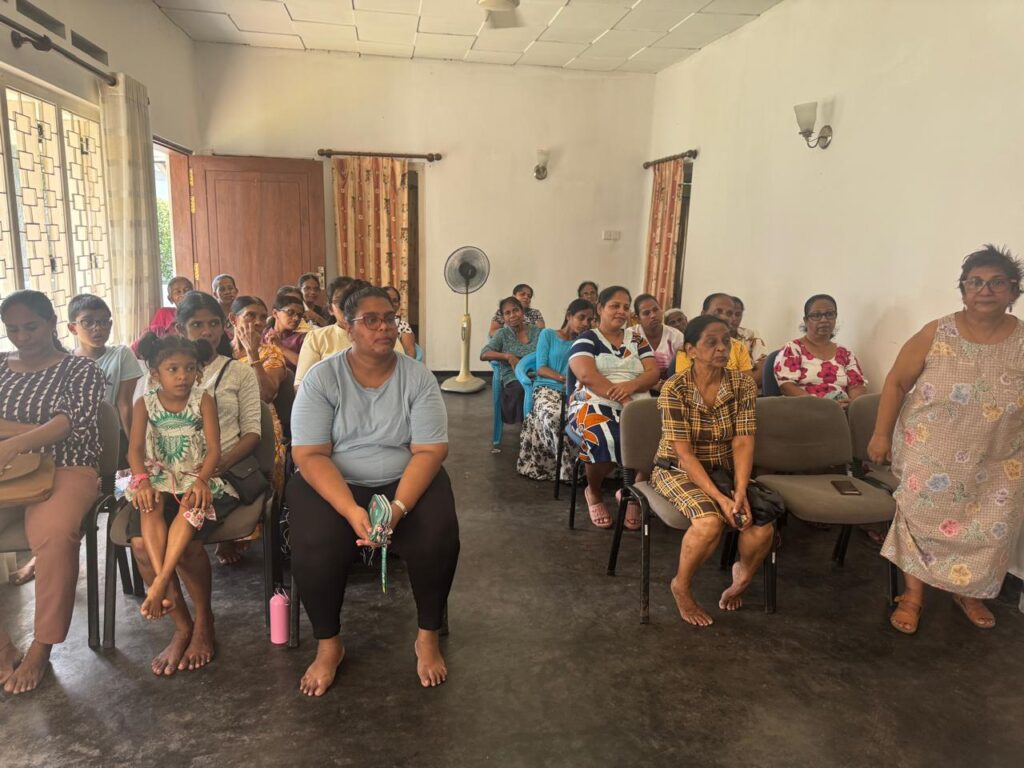
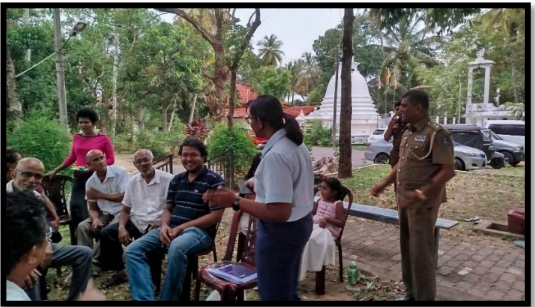
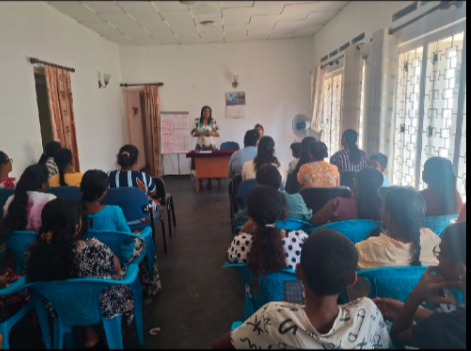
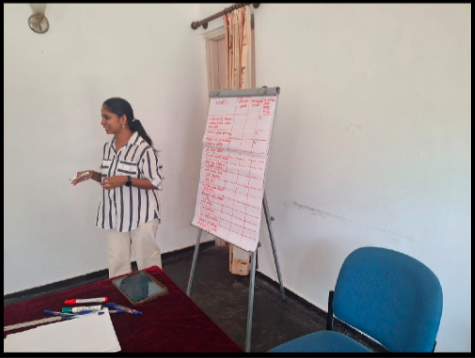
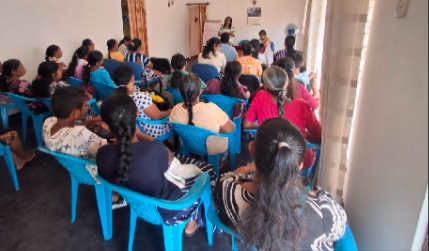
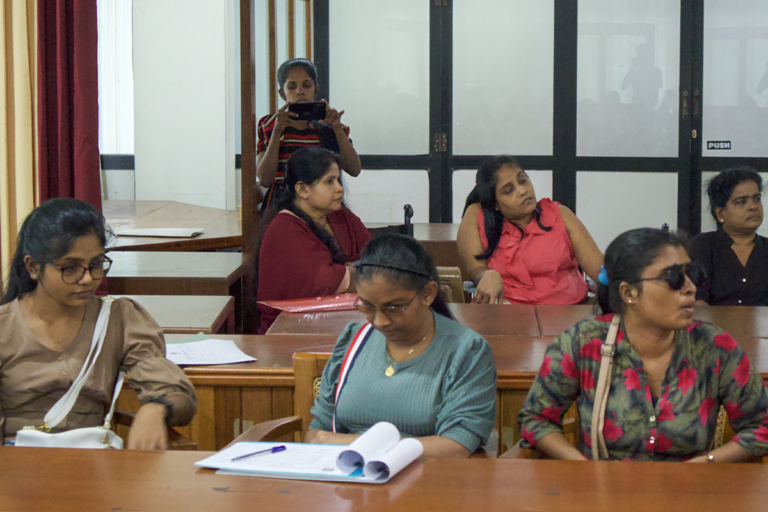
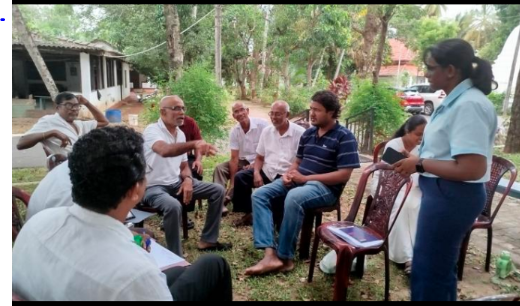
To raise awareness and foster community engagement, we organized five targeted “pocket
meetings” within the Pirivena Grama Niladhari division, reaching a total of 100 community
members aged 16 and above, segmented by age category. The primary goal of these sessions was
to raise awareness about the significance of unpaid care work performed by women and girls
within households, emphasizing its value to families, the community, and the state. Furthermore,
these meetings served as vital platforms to explore and discuss practical methods for
redistributing care work responsibilities across the household, community, and state levels.
Donor Acknowledgment
We extend our heartfelt gratitude to the Women and Media Collective (WMC) for their
unwavering support and commitment to addressing the unpaid care burden in Sri Lanka. Their
generosity and guidance have been absolutely instrumental in driving positive change. This
crucial partnership is directly creating opportunities for the women and girls—especially the
dedicated mothers of children with disabilities (PWD)—who currently dedicate their lives to
invisible and unrecognized care work.
Project Duration
The first phase of this project successfully ran from August 1, 2024, to July 31, 2025. The four
main activities detailed above were fully completed during this initial year.
The project is currently ongoing, with the second year commencing on August 1, 2025. This
new phase involves a fresh set of activities and continues our commitment to reducing the unpaid
care burden in Sri Lanka.